
Coffee Brewing Guides
Brew better coffee at home
One method at a time.
Step-by-step guides for beginners, plus gear tips that make a real difference. Learn espresso, pour-over, French press, and more—then pick the right tools to match your taste.
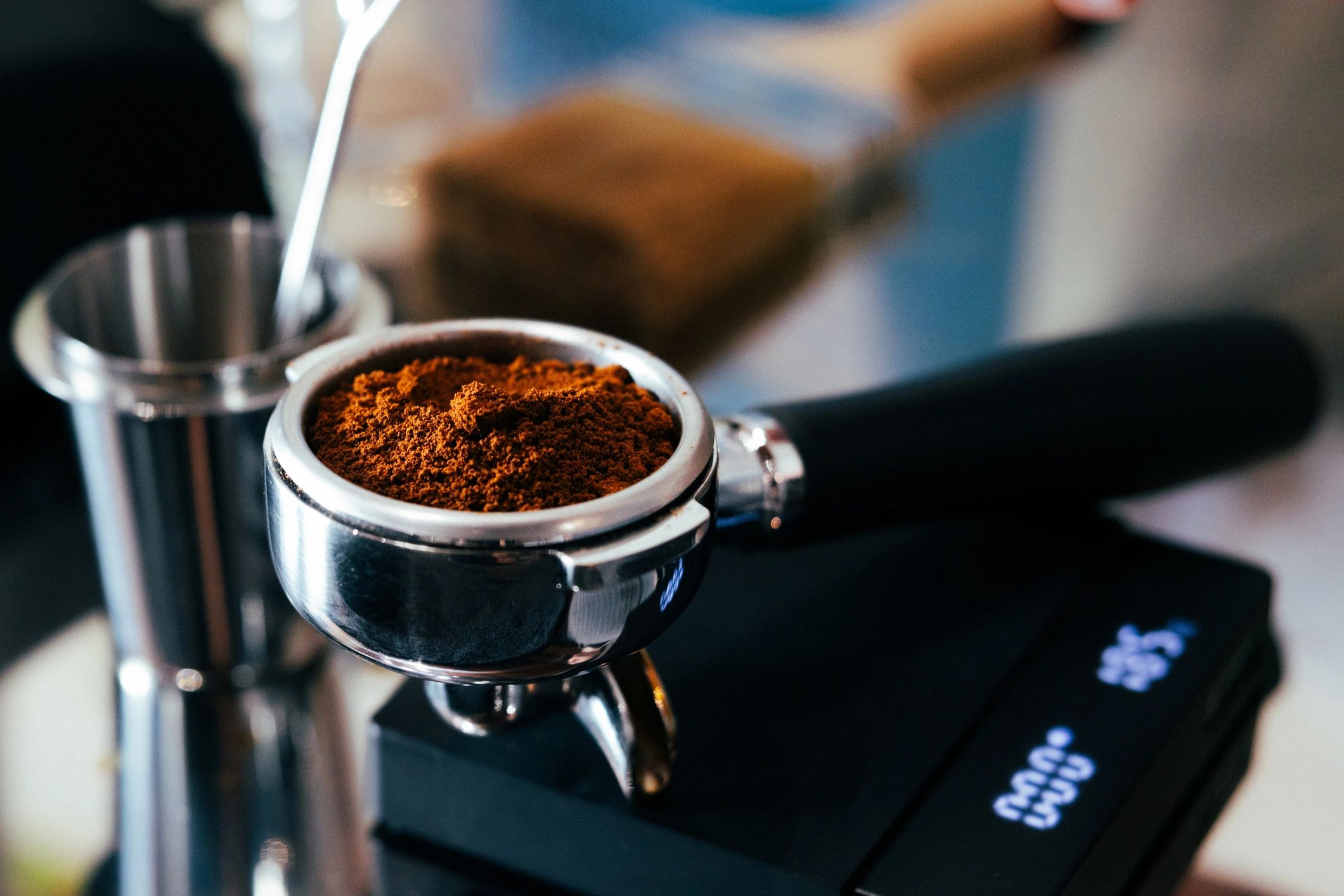
Choose your brewing path
Pick a method below for a beginner-friendly walkthrough, key ratios, and the gear that matters most.
Espresso Machines
Dial in grind, dose, and yield—without the overwhelm.
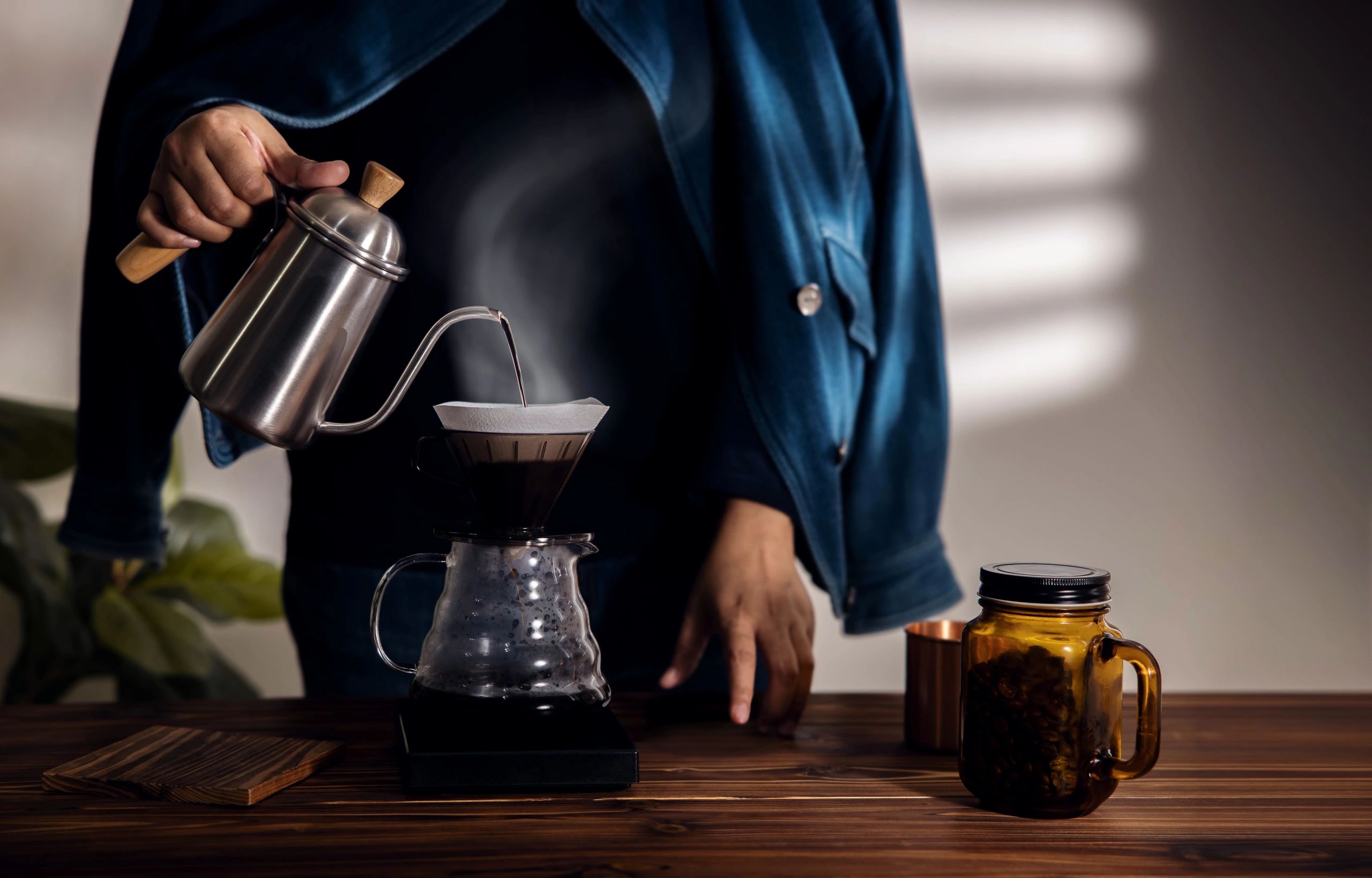
Pour-Over
Clean, bright cups with a simple recipe and pour pattern.
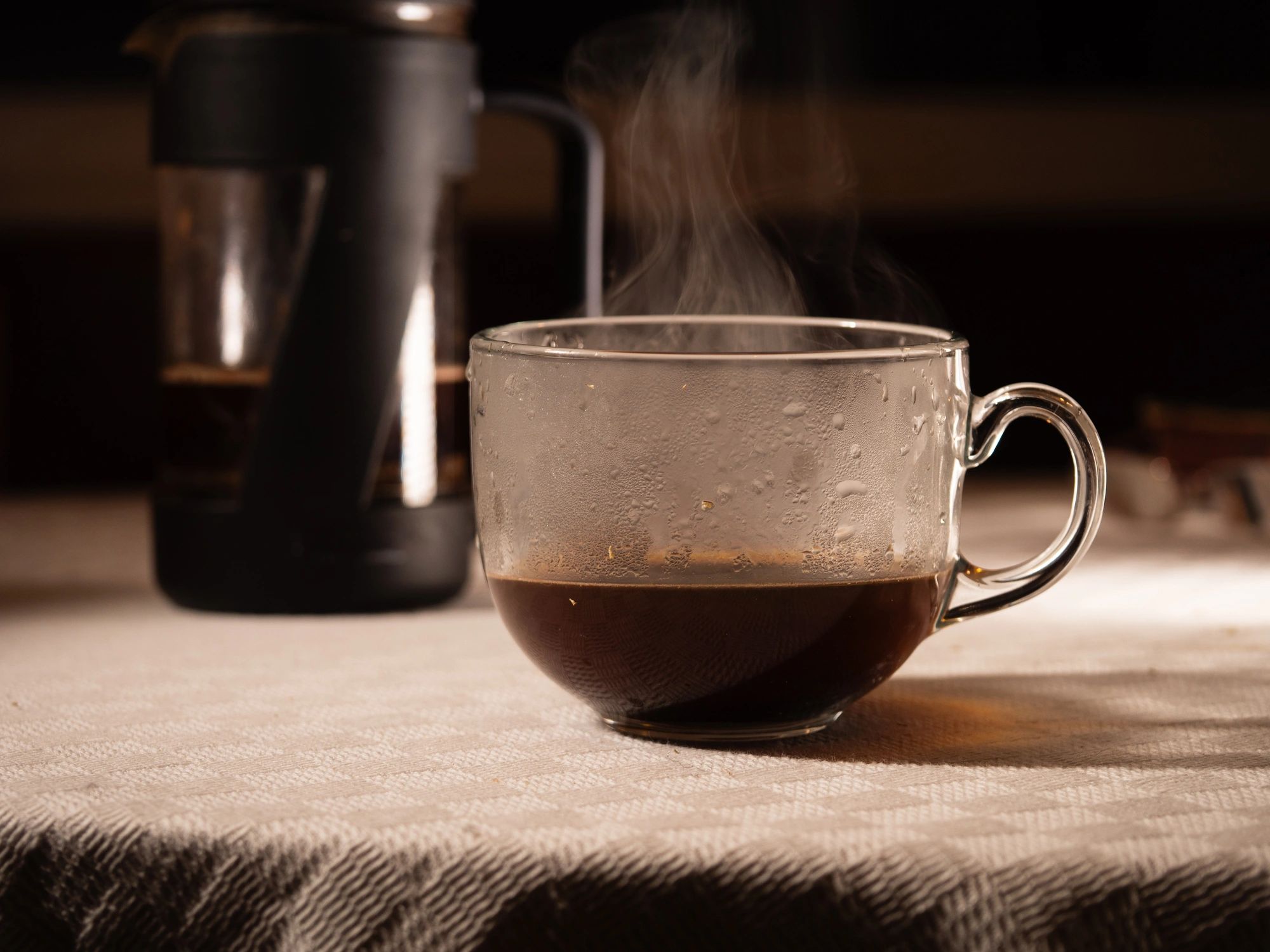
French Press
Full-bodied coffee with an easy steep-and-plunge routine.
Cold Brew
Smooth, low-acid concentrate you can batch for the week.
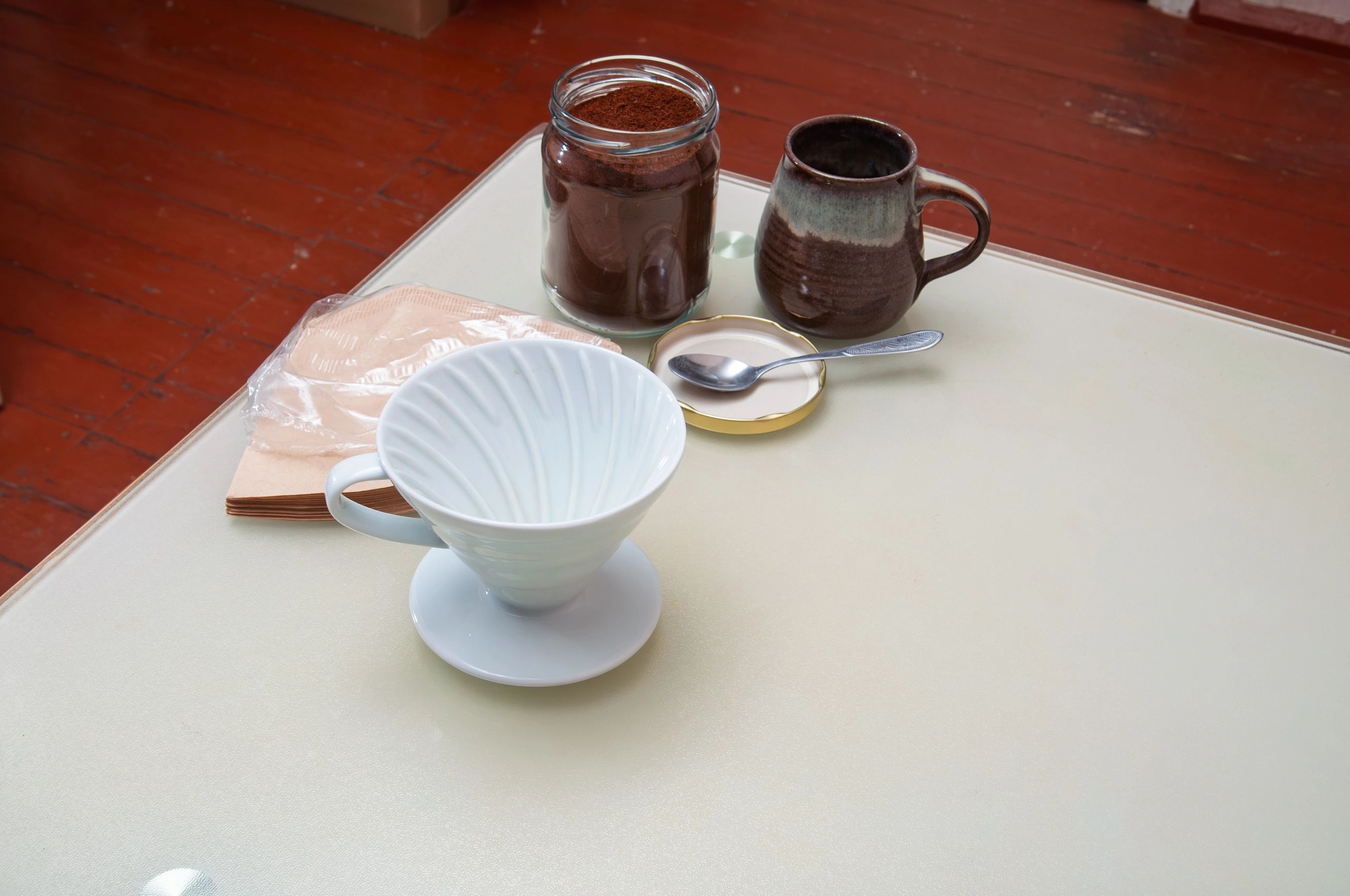
Grind & Water Basics
Get the fundamentals right: grind size, water temp, and ratios.
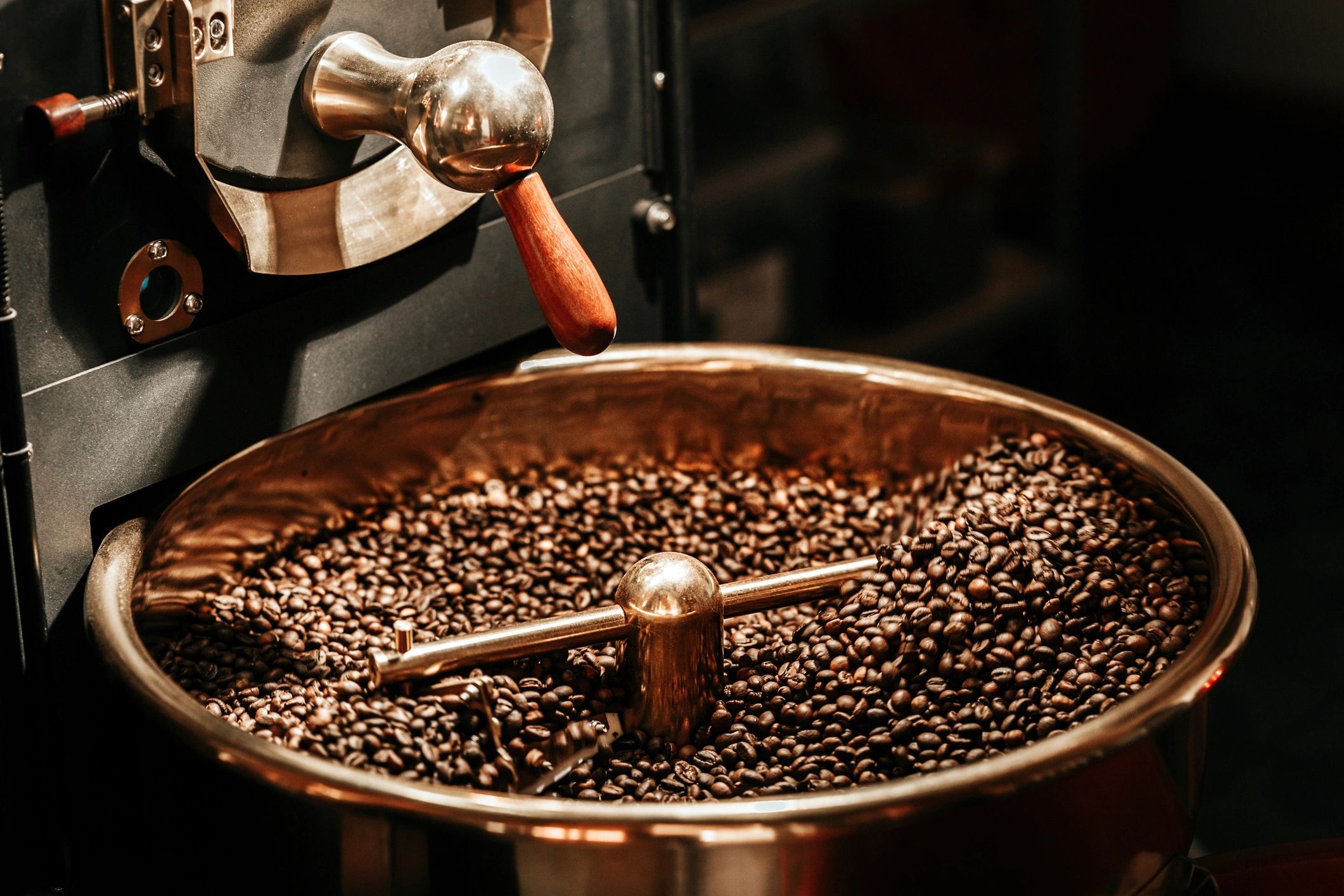
Beans & Storage
How to buy, store, and brew beans for fresher flavor.
Brew smarter
The 3 variables that change everything
Most “bad coffee” comes down to a few fixable basics. Nail these and every brewer gets easier.
✔
Grind size
Too fine = bitter and slow. Too coarse = weak and sour. Match grind to your method.
✔
Ratio + time
Start with a simple ratio, then adjust strength with small, repeatable changes.
Brewing FAQ
Quick answers to the questions we hear most from home coffee beginners.
What’s the easiest brewing method for beginners?
French press and drip-style coffee makers are the most forgiving. If you want more clarity, a pour-over is easy once you follow a simple ratio and pour pattern.
Do I really need a grinder?
Yes—fresh grinding is the fastest upgrade. A consistent burr grinder improves flavor and makes recipes repeatable.
What water temperature should I use?
For most methods, aim for 195–205°F (90–96°C). Dark roasts often taste better a little cooler; light roasts can handle hotter water.
How much coffee should I use per cup?
A great starting point is 1:16 (coffee: water) by weight—about 20g coffee to 320g water. Adjust to taste from there.
Why does my coffee taste sour or bitter?
Sour usually means under-extracted (too coarse, too fast, too cool). Bitter often means over-extracted (too fine, too long, too hot). Change one variable at a time.
How do I store coffee beans?
Keep beans in an airtight container away from heat and light. Buy smaller bags more often for the freshest flavor.
Ready to upgrade?
Build a simple setup you’ll actually use
We highlight beginner-friendly espresso machines, coffee makers, grinders, and accessories—chosen for ease of use and great value.